The Revolution of Autonomous Vehicles: Scenarios and Challenges for the Future of Roads
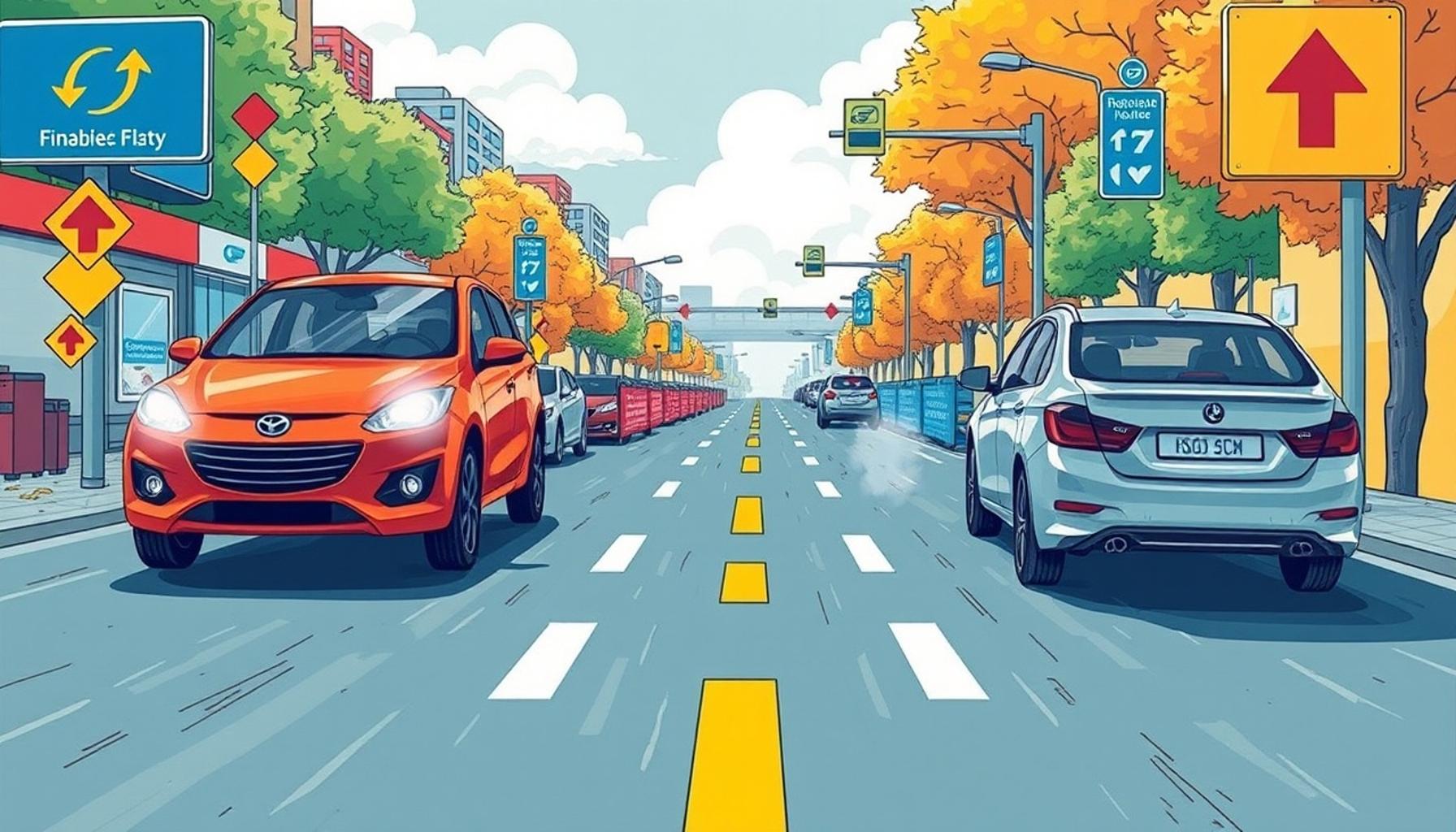
Transforming Transportation with Autonomous Vehicles
In recent years, autonomous vehicles have shifted from a futuristic idea to a palpable reality. These self-driving cars promise to not only change how we travel but also reshape our entire transportation landscape. With advancements in technology, the prospect of having cars navigate without human intervention has become increasingly plausible. Countries like the United States are at the forefront of this revolution, with numerous companies testing and deploying self-driving cars across various states.
Potential Benefits of Autonomous Vehicles
The potential benefits of autonomous vehicles are significant and multifaceted, as they hold the promise of transforming everyday life in various ways. Some key advantages include:
- Reduced accidents: One of the most compelling benefits of autonomous vehicles is their capacity to reduce accidents significantly. Equipped with advanced sensors, cameras, and algorithms, self-driving cars can detect obstacles and other vehicles in real-time. For example, in testing scenarios, companies like Waymo and Tesla have demonstrated cars that quickly and effectively avoid collisions, thus preventing many accidents that typically occur due to human error.
- Improved traffic flow: Another critical advantage of autonomous vehicles is their ability to enhance traffic flow. With vehicle-to-vehicle (V2V) communication technology, self-driving cars can relay information to each other regarding speed and distance. This synchronization helps in managing movement on the road, which could potentially decrease congestion. For instance, studies suggest that if a fleet of autonomous taxis were to operate together, traffic jams could be reduced significantly.
- Increased accessibility: Autonomous vehicles also promise greater independence for those who may struggle to drive, including seniors and individuals with disabilities. For example, services like autonomous taxi rides could allow these individuals to travel freely, attend appointments, or run errands without relying on family members or public transportation.
Challenges Facing Autonomous Vehicles
However, the road to widespread adoption of autonomous vehicles is not without hurdles. Several challenges must be addressed:
- Regulatory hurdles: Governments are faced with the task of establishing new laws and regulations that will allow for the safe integration of autonomous vehicles on public roads. These regulations must address crucial issues such as liability in case of accidents and the standards that these vehicles must meet to ensure public safety.
- Ethical dilemmas: Developers of autonomous vehicle technology grapple with ethical questions, particularly regarding how to program vehicles to respond in emergency situations. These ethical dilemmas include scenarios where a crash is unavoidable, forcing the vehicle’s system to make life-or-death decisions about whom to protect.
- Public acceptance: Finally, public trust is paramount for the success of autonomous vehicles. Many individuals remain skeptical of relinquishing control to a machine, stemming from concerns about safety and reliability. To counter this, education campaigns and real-life success stories are needed to reassure the public that these technologies can operate reliably without compromising safety.
As we delve into the revolution that autonomous vehicles bring, it is crucial to explore both the exciting possibilities and the significant challenges ahead. Each aspect—from enhancing safety on the roads to tackling ethical questions—demands careful consideration and planning to pave the way for a safer, smarter future in transportation.
DISCOVER MORE: Click here for details
Envisioning the Future of Autonomous Transportation
As we stand on the brink of widespread implementation, it’s essential to visualize the various scenarios that autonomous vehicles could create in our daily lives. Imagine a world where commuting transforms dramatically, influenced by the presence of self-driving cars. The streets of American cities could look remarkably different as these vehicles become commonplace. The convenience of hopping into a fully autonomous taxi might reshape not just individual travel but also entire urban planning strategies.
Potential Scenarios for Autonomous Vehicles
In considering the future landscape, we can explore several intriguing scenarios that autonomous vehicles could yield:
- Shared Autonomous Fleets: One possibility is the rise of shared autonomous vehicle services. Imagine fleets of self-driving taxis or shuttles operating in urban areas, picking up and dropping off passengers efficiently. This model could reduce the need for personal car ownership, freeing up parking spaces and minimizing the number of cars on the road. For example, cities like San Francisco are already testing such services, which could dramatically cut down urban congestion and promote cleaner air.
- Last-Mile Solutions: Another exciting application of autonomous vehicles could be in last-mile logistics. With the rise of e-commerce, businesses could deploy autonomous delivery vehicles to transport goods right to consumers’ doorsteps. This change can lead to quicker delivery times and reduced traffic, particularly if these vehicles operate at off-peak hours, ensuring fewer disruptions to daily commutes.
- Enhanced Public Transport: Public transportation systems may also integrate autonomous vehicles, offering autonomous buses or trams that run on predetermined routes. Such systems would shorten wait times and increase accessibility to those who rely on public transport. For instance, cities like Austin are exploring ways to integrate autonomous technology into their existing bus networks, improving service efficiency and connectivity.
While these scenarios paint a promising future, it’s vital to analyze the hurdles that must be overcome to implement them effectively. Each scenario involves complex interactions between technology, infrastructure, and human behavior. Understanding these dynamics will be crucial for harnessing the full potential of autonomous vehicles.
Infrastructure and Technological Readiness
The success of autonomous vehicles is heavily dependent on the existing infrastructure. Roads need to accommodate advanced sensors and communication systems; traffic signals must be updated to facilitate smooth interaction between human-driven and autonomous vehicles. Additionally, urban planners may need to rethink how cities are designed, fostering a more connected environment that accommodates both automated and traditional transport modes.
As we navigate this transformative journey, it will be essential to focus on collaboration between technology developers, city planners, and legislators to ensure a safe and efficient transition. Each step toward a future where autonomous vehicles can thrive will require careful consideration of our current infrastructure and the adjustments necessary to support this new mode of transportation.
DISCOVER MORE: Click here to learn how to apply
Navigating the Ethical and Regulatory Landscape
As we anticipate the evolution of autonomous vehicles, another critical aspect to consider is the ethical and regulatory challenges they present. Unlike traditional vehicles, autonomous cars must rely on algorithms that make split-second decisions, raising profound ethical questions about morality in traffic scenarios. For instance, if faced with an unavoidable accident, should a vehicle prioritize the safety of its passengers over pedestrians? These are difficult dilemmas that require comprehensive ethical frameworks as we develop and deploy these technologies.
Ethical Considerations
The ethical implications of autonomous vehicles extend beyond mere accident scenarios. Developers must ponder how these vehicles should respond to various situations, such as prioritizing certain lives over others. This dilemma has prompted discussions among ethicists, transportation experts, and manufacturers, leading to the formulation of guidelines to help navigate these murky waters. Clear ethical guidelines will be necessary to ensure the safety and acceptance of self-driving technology among the public.
Further complicating matters is the concept of accountability. In the event of a malfunction that leads to an accident, who will be held responsible? Is it the manufacturer, the software developer, or the owner of the vehicle? To address these concerns, many states have started implementing regulatory frameworks that clearly define liability and accountability in autonomous vehicle operations.
Regulatory Frameworks and Compliance
In the United States, the regulatory landscape for autonomous vehicles is still in its infancy. Different states have taken various approaches; some are pushing forward with more lenient regulations to encourage innovation, while others adopt stricter guidelines focused on safety. For example, California has been at the forefront of autonomous vehicle testing, with stringent requirements for safety and data reporting to ensure public confidence in these technologies. Establishing uniform national regulations could streamline the deployment of autonomous vehicles, although balancing safety and innovation remains a challenge.
Moreover, regulatory bodies such as the National Highway Traffic Safety Administration (NHTSA) are working on developing standards for testing and implementing autonomous technologies. They focus on ensuring vehicles meet safety performance criteria while allowing room for advancements. For instance, recent proposals from the NHTSA have aimed to create a framework that prioritizes consumer safety while still enabling technological growth. Such initiatives are essential for developing an effective regulatory environment that can keep pace with rapid technological advancements.
Consumer Acceptance and Public Trust
Regulatory measures will only yield success if coupled with public acceptance. Many consumers hold skepticism around the safety and reliability of autonomous vehicles, often fueled by high-profile accidents involving self-driving cars. Building public trust requires transparency in testing, as well as thorough communication surrounding safety protocols and technologies utilized. Engaging the community through public forums and informational campaigns can help demystify autonomous technologies and alleviate fears related to their use.
Ultimately, as we forge ahead, striking a balance between ethical considerations, regulatory measures, and public acceptance will be paramount. Ensuring that autonomous vehicles are not only technologically sound but also ethically designed and widely embraced will dictate the future landscape of transportation. The journey toward the integration of autonomous vehicles into everyday life is complex, but with informed strategies and strong collaboration, we can navigate these challenges effectively.
LEARN MORE: Click here to discover how chargebacks work
Conclusion
The revolution of autonomous vehicles represents a transformative shift in transportation, promising not only enhanced safety but also increased efficiency and reduced congestion on our roads. However, navigating this intricate landscape is not without its challenges. The ethical complexities surrounding decision-making algorithms, coupled with regulatory frameworks that aim to balance innovation with public safety, form a critical battleground necessitating careful consideration and robust dialogue among stakeholders.
Furthermore, consumer acceptance remains a key ingredient for the successful integration of autonomous vehicles into daily life. Overcoming public skepticism requires transparency, effective communication, and community engagement that demystifies the technology and highlights its benefits. By fostering trust through partnerships with consumers, developers can encourage a gradual and smoother transition to autonomous driving.
As we envision the future of autonomous vehicles, it is essential to adopt a comprehensive approach that prioritizes ethical standards, regulatory compliance, and public perception. This multidimensional process will not only hasten the adoption of self-driving technology but also ensure that it evolves responsibly and sustainably. With thoughtful planning and collaboration across industry leaders, policymakers, and communities, we can create a road system that is not just advanced but also equitable and safe for all users. The journey toward this future, while complex, holds immense potential for reshaping how we travel, ultimately leading to safer and more efficient roads.

Linda Carter
Linda Carter is a writer and expert known for producing clear, engaging, and easy-to-understand content. With solid experience guiding people in achieving their goals, she shares valuable insights and practical guidance. Her mission is to support readers in making informed choices and achieving significant progress.