Smart Cities: How Technology is Shaping the Urbanism of the Future
Understanding Smart Cities
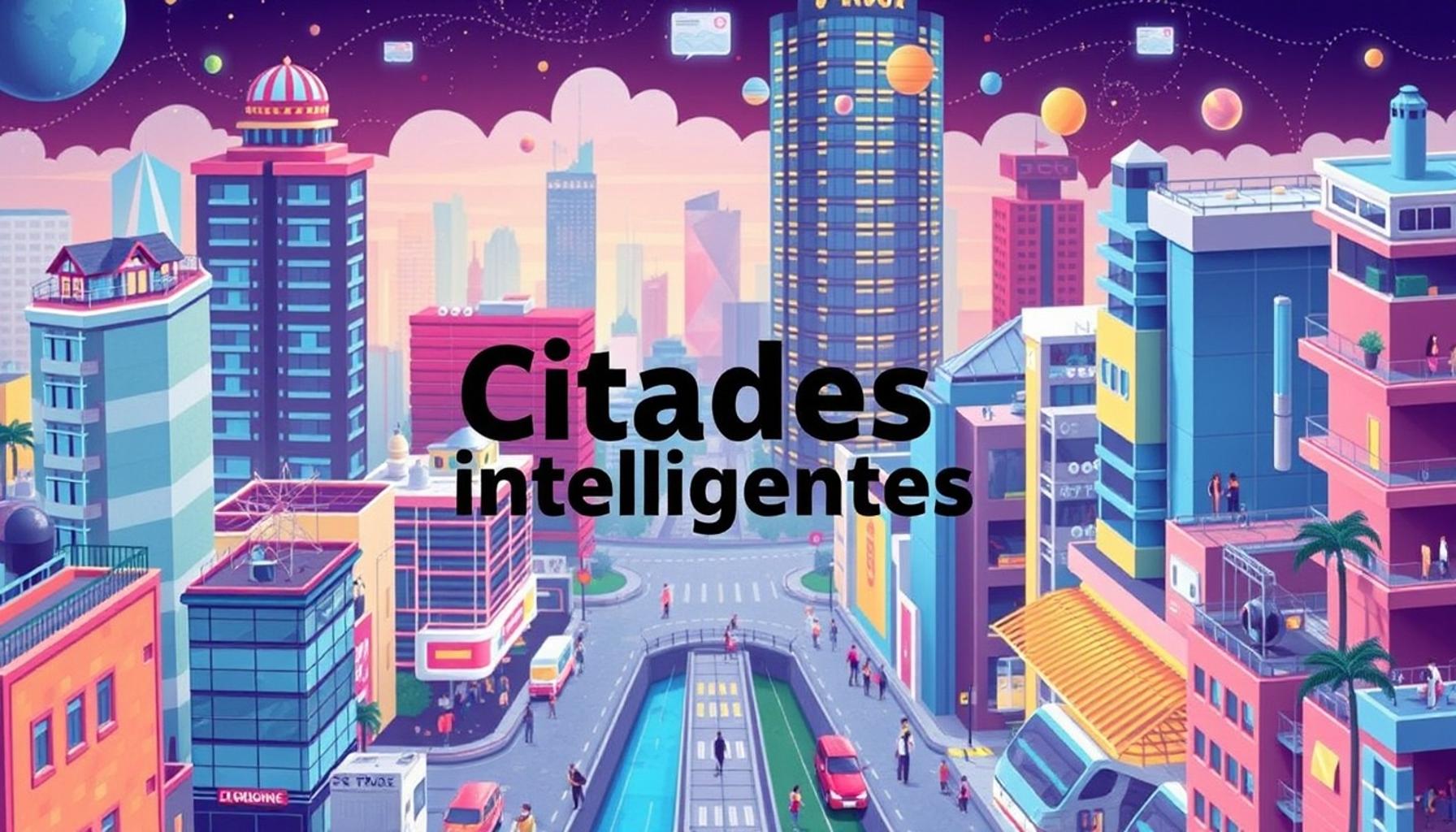
The concept of smart cities is revolutionizing urban living, intertwining advanced technology within the infrastructure and operations of cities. Smart cities utilize a synergy of information and communication technologies (ICT) to foster economic growth, enhance public services, and improve the quality of life for residents. A central focus is on creating environments that are responsive to the needs of their citizens, which is achieved through comprehensive data collection and analysis. This transformation is crucial for addressing the multifaceted challenges urban centers face today, such as pollution, traffic congestion, and resource management.
Key Components of Smart Cities
To appreciate what constitutes a smart city, we can explore its fundamental components:
- Internet of Things (IoT): When we think of IoT, imagine everyday objects embedded with sensors and connected to the internet, sharing data to streamline operations. For example, smart streetlights that adjust their brightness based on real-time traffic patterns not only save energy but also enhance roadway safety.
- Smart Infrastructure: This encompasses buildings and roads equipped with cutting-edge technology. For instance, smart buildings utilize systems to control heating, ventilation, and air conditioning (HVAC) more efficiently. Incorporating automation in these structures can lead to significant reductions in energy waste.
- Data-driven Decision Making: Urban planners leverage big data to drive informed decisions on everything from emergency services to public transportation routes. A city might analyze traffic data to reroute public buses during peak hours, reducing wait times and improving service reliability.
Promoting Sustainability
One of the crucial aspirations of smart cities is fostering a sustainable environment. This aspect can be demonstrated through various initiatives:
- Reduced Energy Consumption: Cities are implementing smart grids that use real-time data analytics to optimize electricity flow, ensuring energy is used more efficiently and that outages are swiftly addressed. An example is the Pacific Gas and Electric Company in California, which has deployed smart meters for customers to monitor usage directly.
- Efficient Waste Management: Smart waste bins equipped with sensors can signal when they are full, allowing waste collection services to optimize routes and schedules, leading to fewer trucks on the road, reduced emissions, and lower operational costs. For example, cities like San Francisco are piloting this technology to enhance their recycling programs.
- Traffic Management: By employing real-time data collection methods, cities can better manage traffic flow. For example, the city of Los Angeles has integrated adaptive traffic signals that adjust their timing based on current vehicle densities, improving traffic conditions and potentially reducing commute times.
As we navigate these advancements, understanding the implications of smart technologies on urban life can help citizens and stakeholders make informed decisions. While the benefits are tangible, we must also remain cognizant of the challenges such as data privacy and ensuring equitable access to technology. By addressing these concerns, we can pave the way for a future where smart cities thrive and cater inclusively to all their residents.
DIVE DEEPER: Click here to learn more
Transforming Urban Life through Technology
The advancement of technology is not merely enhancing the way we live; it is fundamentally transforming urban life into a more efficient, sustainable, and enjoyable experience. In smart cities, technology serves as the backbone of numerous innovations aimed at improving public services and fostering community engagement. Here, we delve into how various technological components come together to elevate urban living and meet the evolving demands of the population.
Enhancing Communication and Engagement
At the heart of a smart city lies the enhancement of communication between the government and its citizens. Technology enables instant and effective channels for public engagement, allowing residents to voice concerns and offer feedback. This reciprocal communication fosters a sense of community and involvement in local governance. Here are some practical applications:
- Mobile Apps for Civic Engagement: Many cities are adopting mobile applications that allow residents to report issues such as potholes or broken streetlights directly to city officials. For instance, the city of San Diego has integrated a mobile app that simplifies the process of reporting non-emergency problems, leading to quicker response times and an overall improved quality of urban life.
- Social Media Interaction: City governments are leveraging platforms like Twitter and Facebook to communicate important updates, such as road closures, weather alerts, and community events. This not only keeps citizens informed but also promotes transparency within local governance.
- Digital Town Halls: Virtual forums allow residents to participate in discussions surrounding city projects and challenges. This innovation helps to engage a broader audience, including those who may be unable to attend traditional town hall meetings.
Integrating Mobility Solutions
As urban populations continue to swell, effective mobility solutions become paramount. Smart cities are implementing advanced technologies to enhance transportation options, reduce congestion, and promote alternative modes of travel. Some noteworthy concepts include:
- Smart Public Transportation: Cities like New York are upgrading their subway systems with real-time tracking apps, allowing commuters to receive up-to-date information on train schedules and delays. This feature not only enhances convenience but also encourages public transport usage, which can alleviate traffic congestion.
- Shared Mobility Services: Technologies that support ride-sharing and bike-sharing services are becoming increasingly prevalent. Cities are partnering with companies like Uber and Lyft as well as local bike-sharing programs to provide multifaceted mobility solutions, reducing the reliance on personal vehicles.
- Autonomous Vehicles: The potential for self-driving cars to reshape urban landscapes is gaining traction. Testing programs in cities such as San Francisco are exploring how autonomous vehicles can improve traffic patterns and reduce accidents, paving the way for safer streets.
Through these advancements, smart cities are redefining urban mobility, making it more accessible and efficient for residents. As we consider the role of technology in urban development, it is important to recognize both the benefits and the challenges that arise, particularly in relation to equity and accessibility. Addressing these aspects will be crucial in ensuring that smart cities serve as inclusive spaces for all citizens.
DISCOVER MORE: Click here to learn how it works
Empowering Sustainability and Resilience
Beyond enhancing communication and mobility, smart cities are harnessing technology to promote sustainability and resilience in urban environments. By integrating eco-friendly practices and innovative solutions, cities are becoming more capable of addressing the pressing challenges posed by climate change, resource scarcity, and urbanization. Let’s explore how technology contributes to these vital aspects of city living.
Smart Energy Management
Energy efficiency is critical for reducing carbon footprints and managing costs. Smart cities are adopting technologies that optimize energy consumption across various sectors. For example:
- Smart Grids: These advanced electricity distribution systems use digital communication technologies to monitor and manage the flow of electricity from all generation sources. In cities like Chicago, smart grids facilitate real-time data collection, which enhances energy distribution efficiency and reduces outages.
- Renewable Energy Integration: Smart cities are increasingly investing in renewable energy sources such as solar and wind power. In San Francisco, solar power systems integrated with smart technology allow residents to monitor their energy production and consumption in real-time, promoting more sustainable energy usage practices.
- Smart Lighting Solutions: Cities are replacing conventional streetlights with smart LED lighting that adjusts brightness based on traffic and pedestrian activity. For instance, Los Angeles has implemented a smart lighting system that has resulted in a dramatic reduction in energy consumption and maintenance costs.
Water Management Innovations
Proper water management is essential in urban areas, especially where populations are dense. Smart cities leverage technology to ensure efficient use and conservation of this invaluable resource:
- Smart Water Meters: These devices allow residents and city officials to monitor water usage actively, leading to better consumption habits and quicker detection of leaks. In Baltimore, the city has deployed smart meters that have helped identify areas with excessive water loss, cutting down waste significantly.
- Stormwater Management Systems: Cities are utilizing sensors and data analytics to monitor rainfall and optimize drainage systems, reducing flood risks. New York City has implemented a “smart stormwater management” system that uses real-time data to manage water flow during heavy rains, mitigating potential flood damage and enhancing urban resilience.
Building a Healthier Urban Environment
Health is another crucial area that technology enhances within smart cities. With wearable technology and integrated health monitoring, cities can promote a healthier lifestyle for their residents:
- Health Monitoring Sensors: Cities can deploy environmental sensors that track air quality and noise pollution. For example, Boston has introduced air quality monitors that provide data on pollution levels, enabling residents to make informed decisions about outdoor activities.
- Telehealth Services: Smart city initiatives often include expanding telehealth services. By utilizing digital platforms, residents can easily access healthcare consultations from the comfort of their homes, which is particularly beneficial for those with mobility issues or those living in remote areas.
- Sustainable Urban Planning: Technology facilitates more efficient urban planning by enabling city officials to analyze real-time data regarding population trends, transportation patterns, and resource distribution. By employing Geographic Information Systems (GIS), cities can design green spaces that enhance residents’ mental and physical well-being.
With a focus on sustainability, smart cities employ technology to create environments that support the health and well-being of their inhabitants while promoting efficient resource management. The integration of these technological advancements is key to building cities that are resilient, responsive, and ready for the challenges of the future.
DIVE DEEPER: Click here to learn more
Conclusion
As we envision the urban landscapes of the future, it becomes increasingly clear that technology is not just an accessory but a fundamental component of successful city planning and development. Smart cities exemplify how innovative solutions can transform daily living, making urban environments more efficient, sustainable, and resilient. Through smart energy management, cities like Chicago and San Francisco are reducing energy waste while harnessing renewable sources, paving the way for a greener future.
Moreover, advancements in water management and health monitoring underscore the capacity of technology to enhance quality of life. Cities employing smart meters and stormwater systems, such as Baltimore and New York City, demonstrate significant improvements in resource conservation and disaster preparedness. Meanwhile, initiatives that integrate health services contribute to a healthier population, exemplified by cities utilizing sensor technology for air quality monitoring.
In conclusion, the journey toward creating smart cities is not merely about adopting new technologies; it is about reimagining urban life itself. As cities across the United States and the world increasingly integrate smart solutions, we must consider the potential for creating inclusive, livable spaces that meet the diverse needs of our communities. The future of urbanism lies in our ability to effectively leverage technology, inviting collaboration between government, businesses, and residents to build cities that are as vibrant as they are smart. Together, we can foster urban environments that promote sustainability, resilience, and a high quality of life for everyone.

Linda Carter
Linda Carter is a writer and expert known for producing clear, engaging, and easy-to-understand content. With solid experience guiding people in achieving their goals, she shares valuable insights and practical guidance. Her mission is to support readers in making informed choices and achieving significant progress.