Sustainability in the Banking Sector: Green Initiatives and Ecological Financing
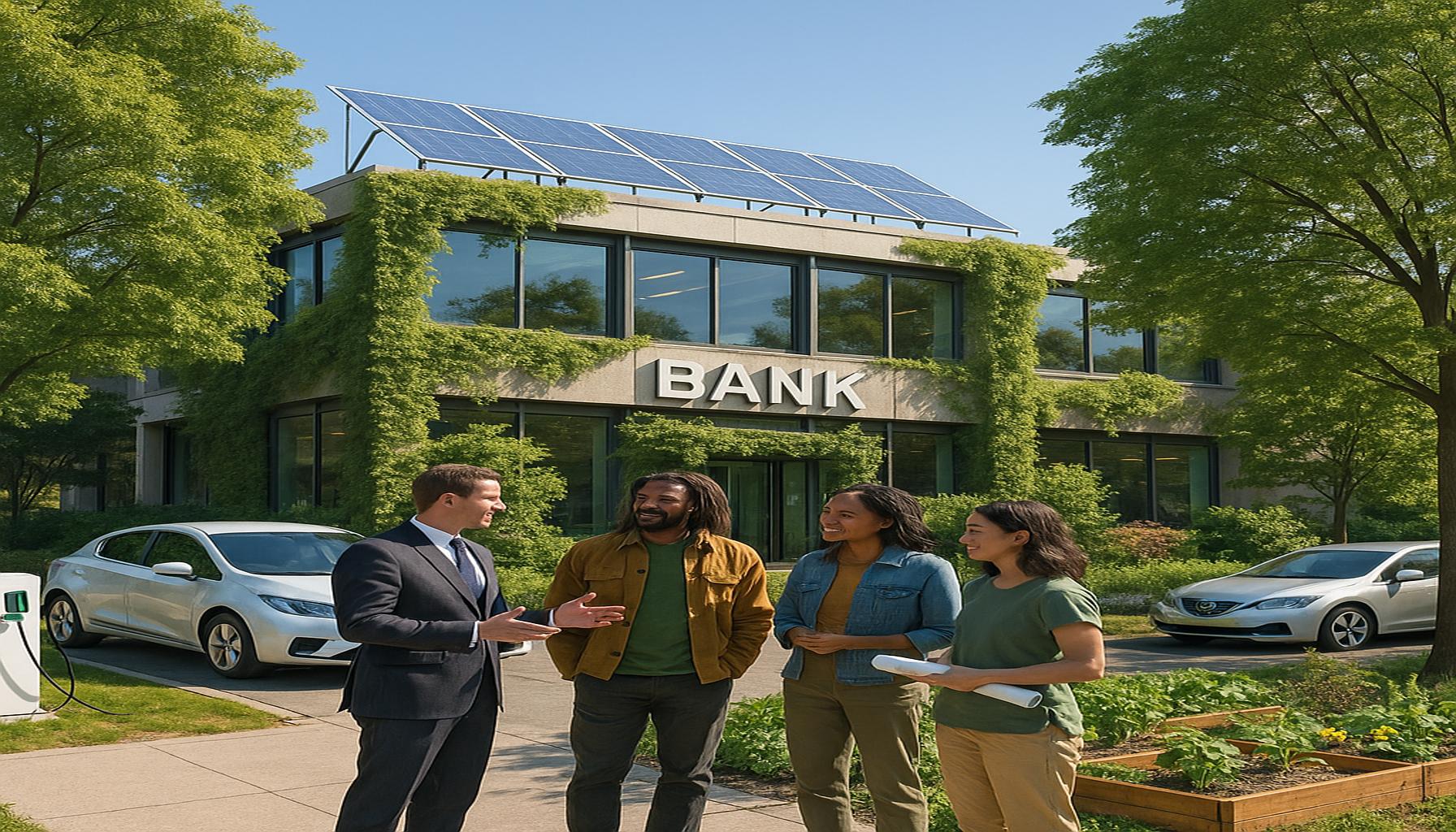
Transformative Shift in Banking
The importance of sustainability in today’s banking sector cannot be overstated. As the repercussions of climate change become increasingly tangible—evident through wildfires, floods, and rising sea levels—financial institutions are re-evaluating their roles. They are transitioning towards a business model that prioritizes green initiatives and ecological financing. This shift is reshaping the financial landscape as banks find ways to balance profitability with their responsibility to the planet.
The Role of Green Bonds
One of the most significant innovations in sustainable finance is the rise of green bonds. These financial instruments are specifically designed to fund projects that deliver positive environmental outcomes. For instance, in the United States, municipalities and corporations alike are issuing green bonds to finance renewable energy developments, energy efficiency upgrades, and sustainable infrastructure projects. In 2021 alone, the green bond market reached a record $269.5 billion globally, showcasing its rising popularity. Investors are increasingly aware that their money can create measurable impacts, aligning their financial strategies with their personal values.
Understanding ESG Criteria
Another burgeoning trend in this sector is the formulation of ESG criteria—an acronym for Environmental, Social, and Governance factors. These metrics serve as a comprehensive framework for assessing the sustainability and ethical impact of investments. U.S. banks are increasingly integrating ESG screening into their credit assessments, allowing them to identify lending opportunities that align with sustainable practices. As a result, companies committed to high ESG standards often enjoy lower capital costs and enhanced investor trust, leading to a virtuous cycle of investment and positive impact.
Renewable Energy Financing
Renewable energy financing represents another cornerstone of the green banking movement. Many banks in the U.S. have committed significant funding to solar and wind projects, realizing the vast potential such resources hold in reducing dependency on fossil fuels. For example, the Bank of America has dedicated $125 billion to sustainable finance by 2030, reflecting the bank’s commitment to funding projects that help mitigate climate impact and promote a sustainable economy.
Benefits of Sustainable Banking
Adopting sustainable practices is not merely an ethical response; it is also a sound business strategy. Banks that embrace sustainability often find they can attract eco-conscious investors who are increasingly prioritizing corporate responsibility. Moreover, such institutions can significantly enhance their brand reputation by showcasing their commitment to transparency and accountability in addressing ecological concerns. Additionally, meeting regulatory expectations aimed at promoting sustainability can help banks navigate complex compliance landscapes while engaging in proactive risk management, ultimately safeguarding their interests.
Implications for Growth and Innovation
The evolution of sustainability in banking not only highlights responsibilities but also unlocks numerous opportunities for growth and innovation for both individuals and businesses. As the sector continues to evolve, analyzing how banks are adapting will reveal a wealth of potential. This is particularly pertinent in the U.S., where the intersection of finance and sustainability is creating new avenues for funding, community empowerment, and economic resilience.
In conclusion, understanding these developments can empower investors, consumers, and businesses to align their financial decisions with their values, contributing to a more sustainable future. The ongoing transformation in the banking sector is not just about monetary transactions but about fostering a connection between finance and ecological stewardship, setting the stage for impactful societal change.
DISCOVER MORE: Click here for a step-by-step guide
Innovative Financing Solutions for a Sustainable Future
The introduction of sustainable banking practices has given rise to various innovative financing solutions that cater to both the financial and environmental needs of society. Among these, impact investing has gained considerable traction in recent years. This type of investing focuses not only on financial returns but also on generating positive social and environmental impacts. For instance, banks are increasingly funding initiatives in sustainable agriculture, affordable housing, and clean transportation systems, which contribute to community development while addressing pressing global challenges.
Green Mortgages: A New Trend
An area that exemplifies this shift is the emergence of green mortgages. These loans incentivize homeowners to purchase energy-efficient properties or make eco-friendly upgrades to their existing homes. By offering lower interest rates or reduced fees for energy-efficient homes, banks are encouraging sustainable living practices among their clients. For example, Wells Fargo has launched a dedicated green mortgage product that enables borrowers to finance energy-efficient home improvements, showcasing a proactive approach to promoting sustainable building practices.
Community Impact Programs
Furthermore, banks are establishing community impact programs aimed at supporting local sustainability projects. These initiatives often focus on funding small businesses that prioritize eco-friendly practices or providing resources for community-based environmental projects. Citibank, for example, has partnered with the non-profit organization Greenlight Fund to support urban innovation that fosters inclusive growth, emphasizing its commitment to enhancing community resilience while addressing ecological challenges.
Aligning with the Paris Agreement
In response to global climate goals, U.S. banks are increasingly aligning their financing strategies with the Paris Agreement, a legally binding international treaty that aims to limit global warming. By setting specific targets for reducing carbon emissions, financial institutions are taking a stand on climate change and demonstrating their commitment to sustainability. Noteworthy initiatives include JPMorgan Chase’s $200 billion commitment to fund sustainable projects in sectors like clean energy, extremely underscoring the pressing need for collective action to mitigate environmental risks.
Challenges and Opportunities Ahead
While the shift towards sustainability in banking is promising, it does not come without challenges. Financial institutions must navigate complex regulatory environments and manage potential reputational risks associated with greenwashing—when companies mislead stakeholders regarding environmental practices. However, the opportunities for U.S. banks are vast:
- Enhanced Customer Loyalty: As consumers become increasingly environmentally conscious, they are more likely to support banks that reflect their values.
- Access to Government Incentives: Banks involved in financing sustainable projects may benefit from federal and state incentives, accelerating their commitment to green initiatives.
- Market Differentiation: By leading the charge in sustainable finance, banks can set themselves apart in a competitive market, attracting both investors and customers.
The landscape of banking is transforming dramatically. As institutions embrace sustainability, they foster a new paradigm where financing aligns with ecological integrity and social responsibility. The exploration into green initiatives and ecological financing is just beginning, yet it holds the potential for lasting change in both the banking sector and society at large. By supporting and investing in sustainable practices, banks are planting the seeds for a resilient and thriving future.
DISCOVER MORE: Click here to learn how to apply
Corporate Social Responsibility and Stakeholder Engagement
As sustainability becomes an imperative across various sectors, banks are paying closer attention to corporate social responsibility (CSR) initiatives. This trend illustrates a commitment not only to shareholders but also to stakeholders, including customers, employees, and the wider community. Financial institutions are increasingly recognizing that fostering stakeholder relationships through sustainable practices can enhance brand value and trust. According to a 2021 study by Nielsen, 81% of consumers feel strongly that companies should help improve the environment, reflecting a growing expectation for banks to operate responsibly.
Sustainable Investment Funds
Additionally, the rise of sustainable investment funds has been a game-changer in how banks facilitate ecological financing. These funds specifically target companies and projects that adhere to environmental, social, and governance (ESG) criteria. Institutions like Bank of America have launched ESG-focused investment products to cater to the growing demand for responsible investment options. By utilizing sustainable funds, investors are empowered to support companies committed to sustainability, further driving the demand for responsible business practices across the market.
Encouraging Renewable Energy Projects
In line with ecological financing, banks are also stepping up their commitment to funding renewable energy projects. The transition to a low-carbon economy depends significantly on investment in clean energy sources such as wind, solar, and hydroelectric power. For instance, Goldman Sachs has committed over $150 billion to finance sustainable projects through its Renewable Power Initiative, providing an essential lifeline for emerging green technologies. This demonstrates how banks can not only adhere to their financing capabilities but also play a pivotal role in the global shift towards sustainable energy solutions.
Regulatory Landscape and Compliance
The evolution of sustainability in the banking sector has been further bolstered by regulatory changes arriving from both state and federal levels. The Sustainable Finance Disclosure Regulation (SFDR) is an example of evolving policies aimed at enhancing transparency in financial services. Banks are beginning to integrate risk assessments regarding climate impact within their portfolios due to mounting regulatory pressures. As a result, banks must adapt to these changing regulatory landscapes, compelling them to evaluate the sustainability of their investment strategies and the potential benefits of aligning with ecological guidelines.
Green Bonds: Financing a Greener Tomorrow
The issuance of green bonds represents another forward-thinking approach in the banking sector. Green bonds are specifically designed to fund projects with positive environmental impacts. JPMorgan Chase’s recent issuance of $1.5 billion in green bonds demonstrates the strong interest among banks to attract investors passionate about sustainability. The capital raised through these bonds can be utilized in various sectors like renewable energy, energy efficiency, and sustainable waste management, showcasing the multifaceted nature of ecological financing.
Promoting Financial Literacy Among Stakeholders
Beyond simple financing mechanisms, banks are also focusing on promoting financial literacy regarding sustainability among their stakeholders. Programs aimed at educating clients about the benefits of sustainable investments not only foster trust but also empower consumers to make more informed financial decisions. For example, the Citizen’s Bank initiative on sustainability educates clients on green products and practices, illustrating the bank’s commitment to creating an informed customer base that prioritizes eco-friendly financial choices.
As the banking sector embraces sustainability, a transformative conversation surrounding ecological financing and responsible investment continues to unfold. Financial institutions must navigate an increasingly complex landscape filled with opportunities that arise from aligning economic growth with ecological integrity. With a commitment to innovation and sustainability, banks can contribute toward creating a healthier planet while enhancing their market reach and profitability.
LEARN MORE: Click here to discover how chargebacks work
Conclusion
The drive towards sustainability within the banking sector is not just an emerging trend; it is becoming a foundational element of modern finance. As financial institutions increasingly adopt green initiatives and embrace ecological financing, they are carving out a significant role in the pursuit of a sustainable future. From integrating corporate social responsibility (CSR) into their core values to launching sustainable investment funds, banks are transforming their operational models to reflect a commitment to both the environment and their stakeholders.
The financing of renewable energy projects and the issuance of green bonds stand as testament to banks’ willingness to champion clean energy and sustainable development. As regulatory frameworks evolve, compliance with new sustainability standards will further prompt banks to reassess their approaches to investment and risk management, ensuring that ecological considerations are prioritized. Moreover, by promoting financial literacy in sustainability amongst the public, banks not only cultivate a more informed clientele but also encourage the overall growth of the green investment market.
In conclusion, the synergy between profitability and ecological responsibility is becoming clearer as banks navigate a complex landscape filled with opportunities for growth. The future of banking is poised to be more than just financial transactions—it will be about fostering a sustainable ecosystem that supports a healthier planet. As stakeholders, consumers, and regulators heighten their emphasis on sustainability, the banking sector must continue to innovate, ensuring that it is not left behind in the global movement towards a more sustainable and prosperous future.